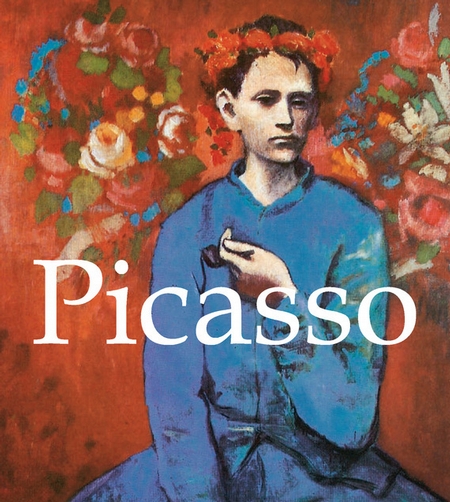
Picasso was born a Spaniard and, so they say, began to draw before he could speak. As an infant he was instinctively attracted to artist’s tools. In early childhood he could spend hours in happy concentration drawing spirals with a sense and meaning known only to himself. At other times, shunning children’s games, he traced his first pictures in the sand. This early self-expression held out promise of a rare gift. Mlaga must be mentioned, for it was there, on 25 October 1881, that Pablo Ruiz...
Picasso was born a Spaniard and, so they say, began to draw before he could speak. As an infant he was instinctively attracted to artist’s tools. In early childhood he could spend hours in happy concentration drawing spirals with a sense and meaning known only to himself. At other times, shunning children’s games, he traced his first pictures in the sand. This early self-expression held out promise of a rare gift. Mlaga must be mentioned, for it was there, on 25 October 1881, that Pablo Ruiz Picasso was born and it was there that he spent the first ten years of his life. Picasso’s father was a painter and professor at the School of Fine Arts and Crafts. Picasso learnt from him the basics of formal academic art training. Then he studied at the Academy of Arts in Madrid but never finished his degree. Picasso, who was not yet eighteen, had reached the point of his greatest rebelliousness; he repudiated academia’s anemic aesthetics along with realism’s pedestrian prose and, quite naturally, joined those who called themselves modernists, the non-conformist artists and writers, those whom Sabarts called “the lite of Catalan thought” and who were grouped around the artists’ caf Els Quatre Gats. During 1899 and 1900 the only subjects Picasso deemed worthy of painting were those which reflected the “final truth”; the transience of human life and the inevitability of death. His early works, ranged under the name of “Blue Period” (1901-1904), consist in blue-tinted paintings influenced by a trip through Spain and the death of his friend, Casagemas. Even though Picasso himself repeatedly insisted on the inner, subjective nature of the Blue Period, its genesis and, especially, the monochromatic blue were for many years explained as merely the results of various aesthetic influences. Between 1905 and 1907, Picasso entered a new phase, called “Rose Period” characterised by a more cheerful style with orange and pink colours. In Gosol, in the summer of 1906 the nude female form assumed an extraordinary importance for Picasso; he equated a depersonalised, aboriginal, simple nakedness with the concept of “woman”. The importance that female nudes were to assume as subjects for Picasso in the next few months (in the winter and spring of 1907) came when he developed the composition of the large painting, Les Demoiselles d’Avignon. Just as African art is usually considered the factor leading to the development of Picasso’s classic aesthetics in 1907, the lessons of Czanne are perceived as the cornerstone of this new progression. This relates, first of all, to a spatial conception of the canvas as a composed entity, subjected to a certain constructive system. Georges Braque, with whom Picasso became friends in the autumn of 1908 and together with whom he led Cubism during the six years of its apogee, was amazed by the similarity of Picasso’s pictorial experiments to his own. He explained that: “Cubism’s main direction was the materialisation of space.” After his Cubist period, in the 1920s, Picasso returned to a more figurative style and got closer to the surrealist movement. He represented distorted and monstrous bodies but in a very personal style. After the bombing of Guernica during 1937, Picasso made one of his most famous works which starkly symbolises the horrors of that war and, indeed, all wars. In the 1960s, his art changed again and Picasso began looking at the art of great masters and based his paintings on ones by Velzquez, Poussin, Goya, Manet, Courbet and Delacroix. Picasso’s final works were a mixture of style, becoming more colourful, expressive and optimistic. Picasso died in 1973, in his villa in Mougins. The Russian Symbolist Georgy Chulkov wrote: “Picasso’s death is tragic. Yet how blind and nave are those who believe in imitating Picasso and learning from him. Learning what? For these forms have no corresponding emotions outside of Hell. But to be in Hell means to anticipate death. The Cubists are hardly privy to such unlimited knowledge”.
Сборник рассказов для поклонников вселенной графа Аверина. Альтернативная Российская империя, Петербург, 1741 год. Молодой колдун Афанасий Репин, служащий Тайной канцелярии, получает в услужение необычного помощника — дива Владимира, бывшего фамильяра знатного рода. Тайные преступления, магические заговоры и интриги высшего света, которые могут повлиять на судьбу империи - всё это предстоит раскрыть...
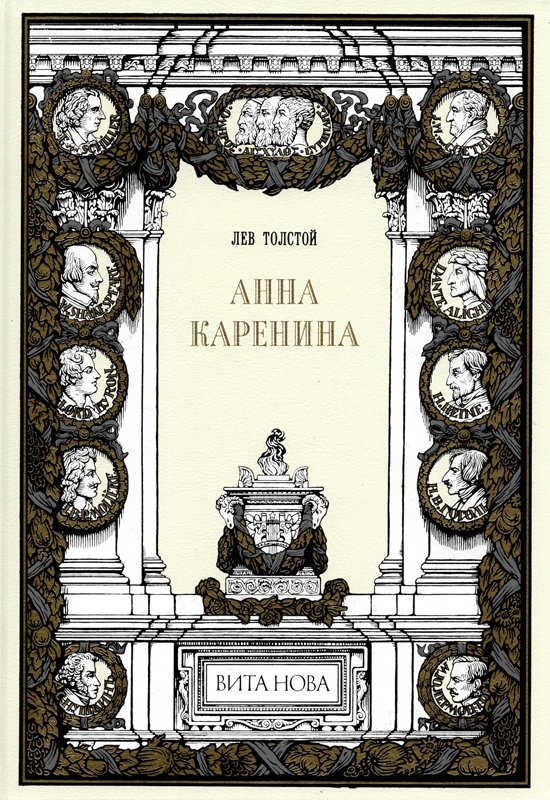
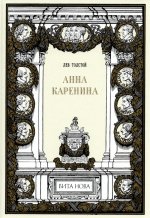
Прекрасно выполненное и богато иллюстрированное подарочное издание известного романа Льва Толстого. Примечания: Э. Бабаев Иллюстрации (69): М. М. Щеглов, А. В. Моравов, А. М. Корин Текст романа Льва Толстого «Анна Каренина» впервые за более чем сто лет воспроизводится вместе с полным циклом иллюстраций, выполненных по заказу Товарищества И. Д. Сытина в 1914 году. Это было первое и единственное...
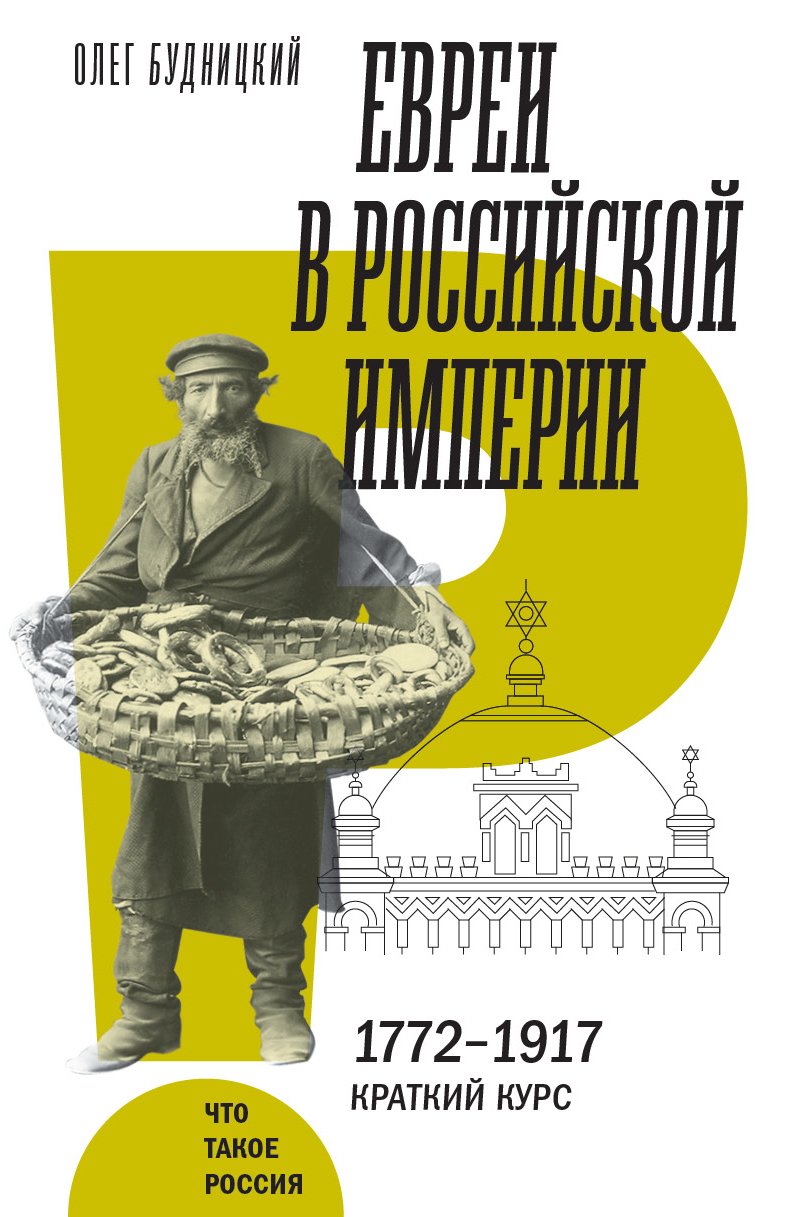
Как евреи интегрировались в российское общество и как само общество реагировало на эту интеграцию? Книга Олега Будницкого рассказывает историю евреев и одновременно историю «еврейского вопроса» в Российской империи. Предлагая читателю начать с краткого исторического очерка, автор затем фокусируется на отдельных сюжетах: от службы евреев в армии и их роли в революционном движении до клана откупщиков,...
Издательство:
Новое литературное обозрение
Дата выхода: апрель 2025
Как осуществить мечту книголюба — открыть русский книжный магазин в Венгрии и помочь читателям избавиться от одиночества?Перед вами рассказ о небольшом книжном магазине, спрятанном в самом центре Будапешта. Это место, созданное вопреки всем трудностям, стало тихой пристанью для тех, кто ищет уют и вдохновение в мире книг.
Издательство:
Манн, Иванов и Фербер
Дата выхода: сентябрь 2025
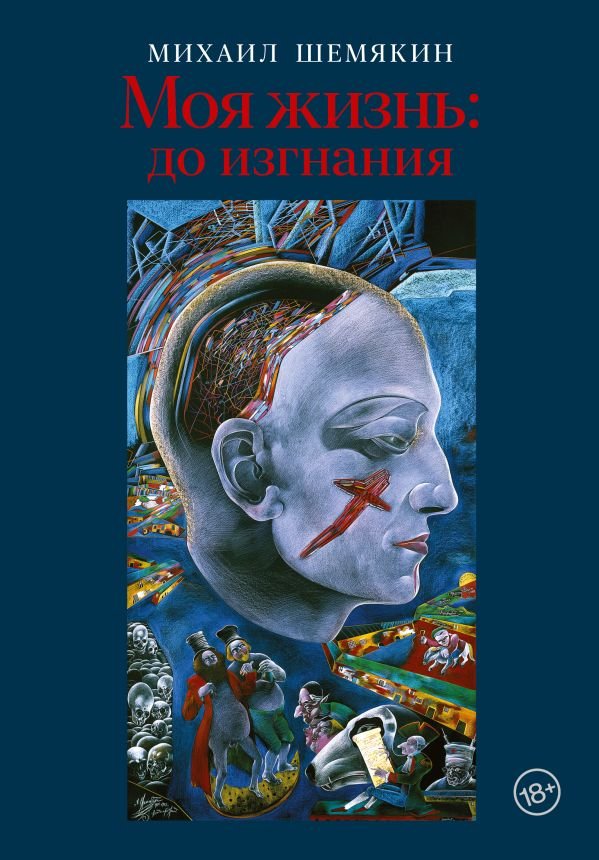
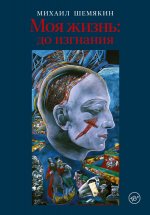
Воспоминания Михаила Шемякина, охватывающие период от рождения до изгнания из Советского Союза в 1971 году, читаются как захватывающий авантюрно-философский роман. Художник и скульптор, историк искусства и постановщик спектаклей рассказывает свою историю, а заодно историю родителей, переживших революции; послевоенной Германии, Прибалтики, Беларуси; Средней художественной школы и подпольных педагогов;...
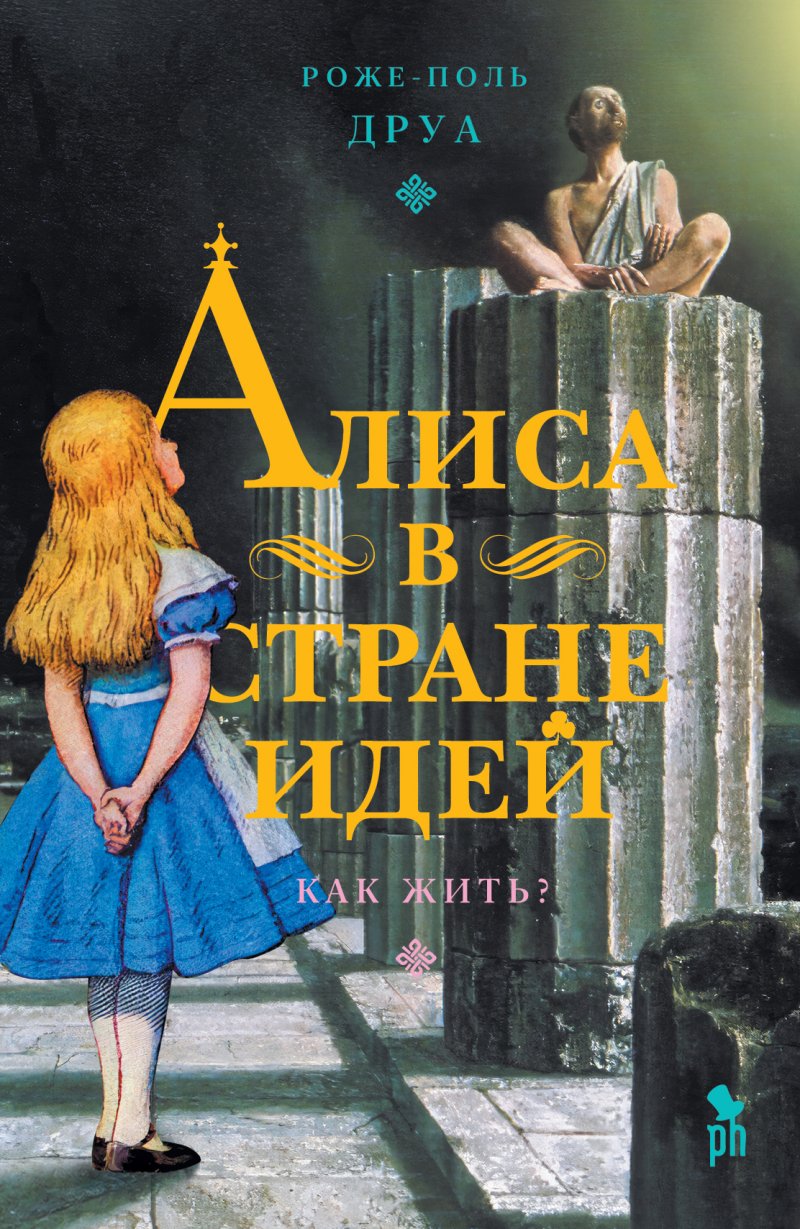
Философское путешествие, замаскированное под увлекательную сказку. Современный французский мыслитель и историк философии Роже-Поль Друа приглашает нас отправиться за Алисой, но не в страну чудес, а в мир идей – туда, где спорят Платон и Ницше, где сомневается Декарт и шутит Витгенштейн. Здесь нет сухих лекций и заумных терминов – Алиса гуляет по лабиринтам понятий, задает наивные, но меткие вопросы и...
Издательство:
Фантом Пресс
Дата выхода: декабрь 2025
Оставить комментарий