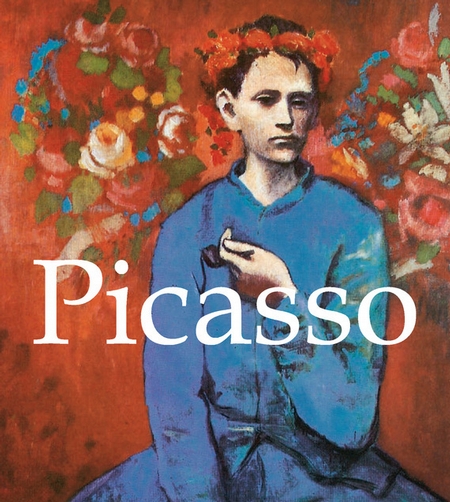
Picasso was born a Spaniard and, so they say, began to draw before he could speak. As an infant he was instinctively attracted to artist’s tools. In early childhood he could spend hours in happy concentration drawing spirals with a sense and meaning known only to himself. At other times, shunning children’s games, he traced his first pictures in the sand. This early self-expression held out promise of a rare gift. Mlaga must be mentioned, for it was there, on 25 October 1881, that Pablo Ruiz...
Picasso was born a Spaniard and, so they say, began to draw before he could speak. As an infant he was instinctively attracted to artist’s tools. In early childhood he could spend hours in happy concentration drawing spirals with a sense and meaning known only to himself. At other times, shunning children’s games, he traced his first pictures in the sand. This early self-expression held out promise of a rare gift. Mlaga must be mentioned, for it was there, on 25 October 1881, that Pablo Ruiz Picasso was born and it was there that he spent the first ten years of his life. Picasso’s father was a painter and professor at the School of Fine Arts and Crafts. Picasso learnt from him the basics of formal academic art training. Then he studied at the Academy of Arts in Madrid but never finished his degree. Picasso, who was not yet eighteen, had reached the point of his greatest rebelliousness; he repudiated academia’s anemic aesthetics along with realism’s pedestrian prose and, quite naturally, joined those who called themselves modernists, the non-conformist artists and writers, those whom Sabarts called “the lite of Catalan thought” and who were grouped around the artists’ caf Els Quatre Gats. During 1899 and 1900 the only subjects Picasso deemed worthy of painting were those which reflected the “final truth”; the transience of human life and the inevitability of death. His early works, ranged under the name of “Blue Period” (1901-1904), consist in blue-tinted paintings influenced by a trip through Spain and the death of his friend, Casagemas. Even though Picasso himself repeatedly insisted on the inner, subjective nature of the Blue Period, its genesis and, especially, the monochromatic blue were for many years explained as merely the results of various aesthetic influences. Between 1905 and 1907, Picasso entered a new phase, called “Rose Period” characterised by a more cheerful style with orange and pink colours. In Gosol, in the summer of 1906 the nude female form assumed an extraordinary importance for Picasso; he equated a depersonalised, aboriginal, simple nakedness with the concept of “woman”. The importance that female nudes were to assume as subjects for Picasso in the next few months (in the winter and spring of 1907) came when he developed the composition of the large painting, Les Demoiselles d’Avignon. Just as African art is usually considered the factor leading to the development of Picasso’s classic aesthetics in 1907, the lessons of Czanne are perceived as the cornerstone of this new progression. This relates, first of all, to a spatial conception of the canvas as a composed entity, subjected to a certain constructive system. Georges Braque, with whom Picasso became friends in the autumn of 1908 and together with whom he led Cubism during the six years of its apogee, was amazed by the similarity of Picasso’s pictorial experiments to his own. He explained that: “Cubism’s main direction was the materialisation of space.” After his Cubist period, in the 1920s, Picasso returned to a more figurative style and got closer to the surrealist movement. He represented distorted and monstrous bodies but in a very personal style. After the bombing of Guernica during 1937, Picasso made one of his most famous works which starkly symbolises the horrors of that war and, indeed, all wars. In the 1960s, his art changed again and Picasso began looking at the art of great masters and based his paintings on ones by Velzquez, Poussin, Goya, Manet, Courbet and Delacroix. Picasso’s final works were a mixture of style, becoming more colourful, expressive and optimistic. Picasso died in 1973, in his villa in Mougins. The Russian Symbolist Georgy Chulkov wrote: “Picasso’s death is tragic. Yet how blind and nave are those who believe in imitating Picasso and learning from him. Learning what? For these forms have no corresponding emotions outside of Hell. But to be in Hell means to anticipate death. The Cubists are hardly privy to such unlimited knowledge”.
Немногие книги о компьютерах оказали такое заметное влияние на управление разработкой программного обеспечения, как "Человеческий фактор". Уникальное озарение этой книги, долгие годы сохранявшей свое положение в списке бестселлеров: "Самые сложные проблемы разработки программного обеспечения носят не технический, но социальный характер. Эти человеческие проблемы решать не просто, однако, решив их, вы...
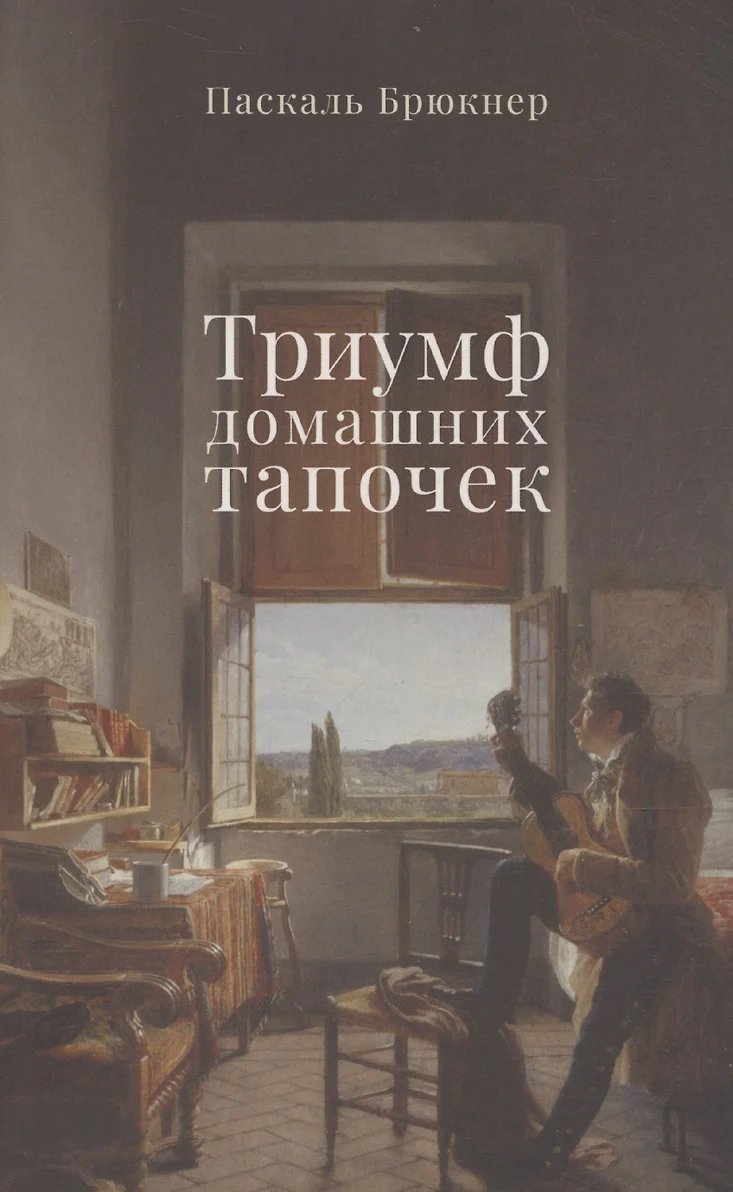
Дом в наши дни — не просто убежище, это нечто большее: пространство, которое вытесняет и заменяет мир, кокон, который делает прорыв наружу излишним. В наш дом можно доставить почти все. Зачем тогда выходить и разоблачать себя? Подобно Обломову, так и не сумевшему встать с дивана навстречу жизни, станем ли мы угасшими вялыми существами? Цель этого эссе — исследовать менталитет отказа от деятельной жизни,...
Издательство:
Издательство Ивана Лимбаха
Дата выхода: декабрь 2024
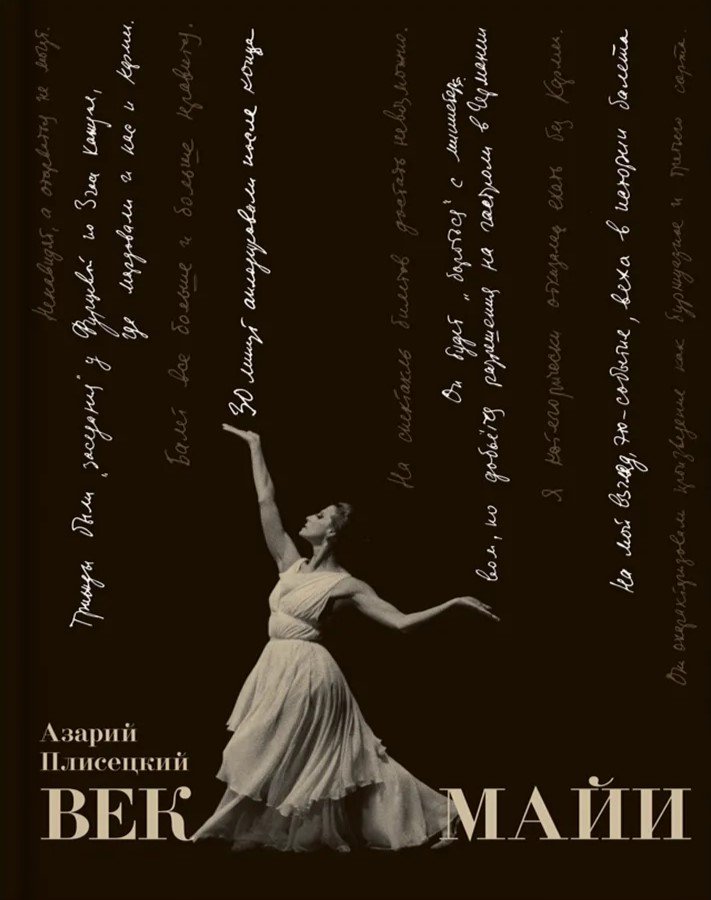
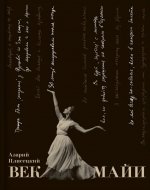
Книга к 100-летию со дня рождения одной из величайших балерин XX века — Майи Плисецкой — создана ее братом, выдающимся артистом балета Азарием Михайловичем Плисецким *** Знаменитый артист балета, хореограф и педагог Азарий Плисецкий обратился к своему большому семейному архиву и создал книгу-воспоминание, оду своей сестре. В нем фотографии, открытки, письма, газетные вырезки, театральные...
Издательство:
Слово/Slovo
Дата выхода: ноябрь 2025
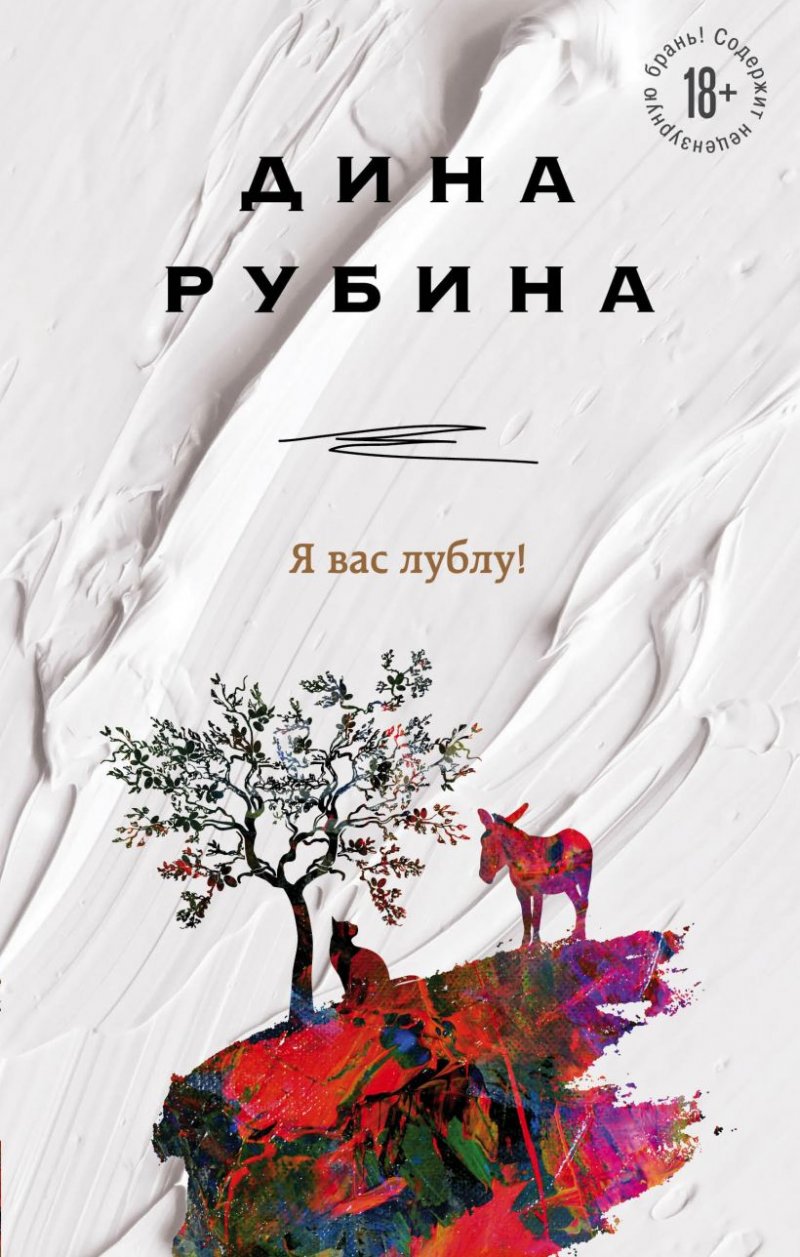
Нет места более священного, чем Иерусалим – "ликующий вопль тысяч и тысяч глоток", "неистовый жар молитв, жалоб и клятв", "тугая котомка" запахов: ладана – христианского квартала, рыбы – мусульманского, свежестиранного белья – еврейского, хлебного – армянского. Жить в этом городе непросто, потому что он, по словам Дины Рубиной, – "вершина трагедии". Но что было бы в жизни писателя, если бы в ней не случился...
В книге даются основные правила чтения английских букв и буквосочетаний, которые помогут сформировать правильное произношение. С помощью этого тренажёра учащиеся начальной школы научатся разбираться в знаках международной фонетической транскрипции, усвоят правильное произношение звуков. В этом тренажёре вы найдёте: подробный разбор слов на все основные правила чтения английских букв и...
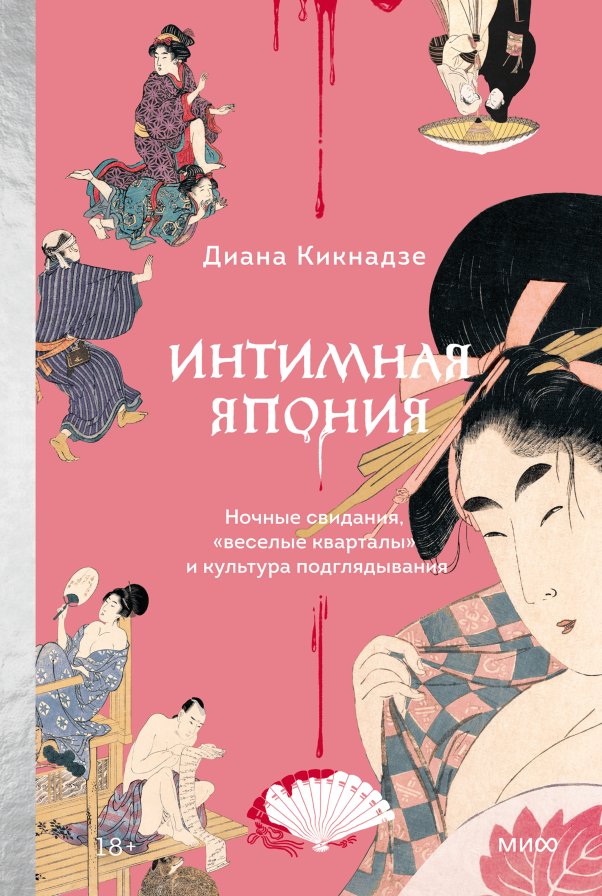
Сексуальная культура Японии веками расцветала в изоляции от внешних влияний, без религиозных запретов и представлений о греховности. Это и сделало ее такой парадоксальной и волнующей. Почему девственность невесты считалась недостатком? Как создание эротических картинок превратилось в высокое искусство? Зачем японские красавицы чернили зубы и сбривали брови? Эта книга расскажет, как в интимной...
Издательство:
Манн, Иванов и Фербер
Дата выхода: апрель 2025
Оставить комментарий