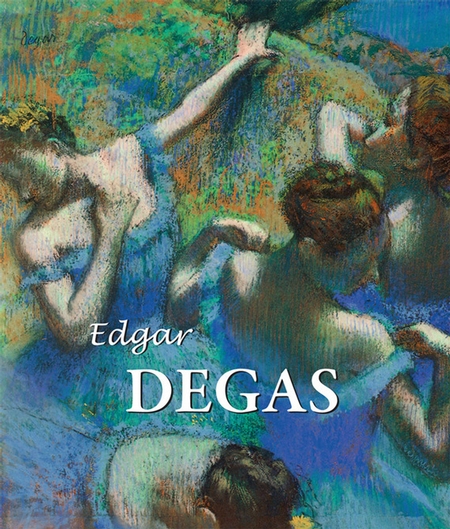
Degas was closest to Renoir in the impressionist’s circle, for both favoured the animated Parisian life of their day as a motif in their paintings. Degas did not attend Gleyre’s studio; most likely he first met the future impressionists at the Caf Guerbois. He started his apprenticeship in 1853 at the studio of Louis-Ernest Barrias and, beginning in 1854, studied under Louis Lamothe, who revered Ingres above all others, and transmitted his adoration for this master to Edgar Degas. Starting in...
Degas was closest to Renoir in the impressionist’s circle, for both favoured the animated Parisian life of their day as a motif in their paintings. Degas did not attend Gleyre’s studio; most likely he first met the future impressionists at the Caf Guerbois. He started his apprenticeship in 1853 at the studio of Louis-Ernest Barrias and, beginning in 1854, studied under Louis Lamothe, who revered Ingres above all others, and transmitted his adoration for this master to Edgar Degas. Starting in 1854 Degas travelled frequently to Italy: first to Naples, where he made the acquaintance of his numerous cousins, and then to Rome and Florence, where he copied tirelessly from the Old Masters. His drawings and sketches already revealed very clear preferences: Raphael, Leonardo da Vinci, Michelangelo, and Mantegna, but also Benozzo Gozzoli, Ghirlandaio, Titian, Fra Angelico, Uccello, and Botticelli. During the 1860s and 1870s he became a painter of racecourses, horses and jockeys. His fabulous painter’s memory retained the particularities of movement of horses wherever he saw them. After his first rather complex compositions depicting racecourses, Degas learned the art of translating the nobility and elegance of horses, their nervous movements, and the formal beauty of their musculature. Around the middle of the 1860s Degas made yet another discovery. In 1866 he painted his first composition with ballet as a subject, Mademoiselle Fiocre dans le ballet de la Source (Mademoiselle Fiocre in the Ballet ‘The Spring’) (New York, Brooklyn Museum). Degas had always been a devotee of the theatre, but from now on it would become more and more the focus of his art. Degas’ first painting devoted solely to the ballet was Le Foyer de la danse l’Opra de la rue Le Peletier (The Dancing Anteroom at the Opera on Rue Le Peletier) (Paris, Muse d’Orsay). In a carefully constructed composition, with groups of figures balancing one another to the left and the right, each ballet dancer is involved in her own activity, each one is moving in a separate manner from the others. Extended observation and an immense number of sketches were essential to executing such a task. This is why Degas moved from the theatre on to the rehearsal halls, where the dancers practised and took their lessons. This was how Degas arrived at the second sphere of that immediate, everyday life that was to interest him. The ballet would remain his passion until the end of his days.
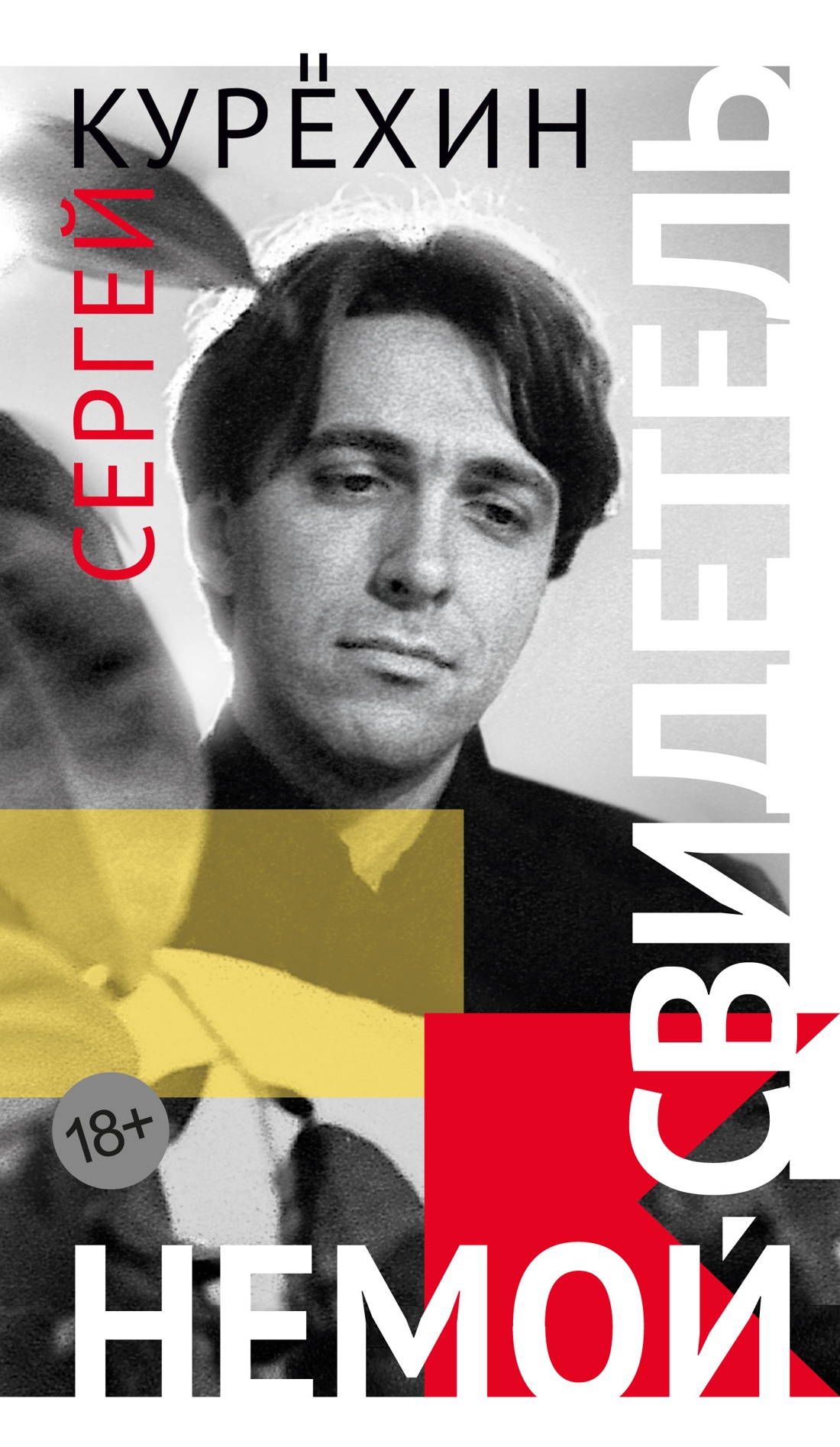
«Я хочу быть одновременно Моцартом и Майклом Джексоном» — в этой как будто несерьезной фразе удачно запечатлен дух Капитана. Сергей Курёхин — композитор, шоумен, маг-демиург и… писатель. Курёхин оживил ленинградскую рок-сцену, играя в самых известных группах, и создал свою версию тотального театра — «Поп-механику», где на равных участвовали известные музыканты, актеры, парикмахеры, животные. Но уже...
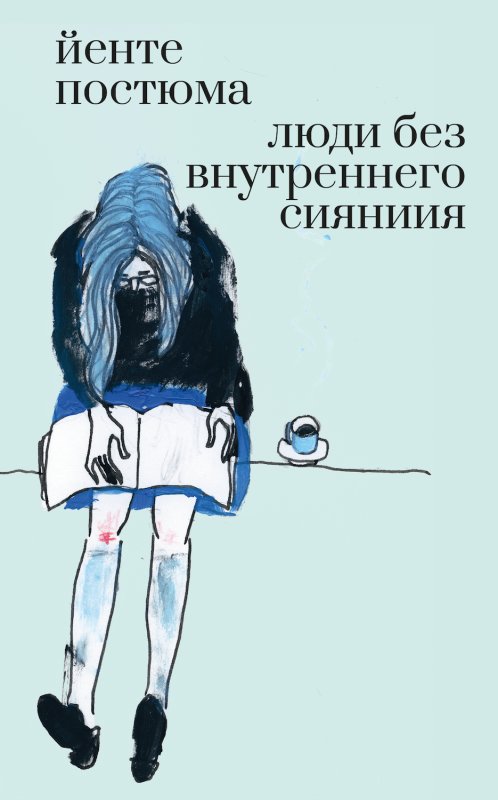
Главная героиня живет в тени матери, неудовлетворенной своей жизнью и карьерой актрисы. Ее отец — директор психиатрической клиники. Он советует пациентам с депрессией и другими ментальными особенностями разделить жизнь на определенные временные отрезки, чтобы лучше ее контролировать. Тот же совет он дает и своей дочери, когда его жена умирает. В двенадцати коротких главах мы проследим...
Издательство:
Поляндрия NoAge
Дата выхода: март 2025
«Эта замечательная книга поможет читателю ознакомиться с основными концепциями и достижениями в области глубокого обучения, лежащими в основе современных промышленных систем искусственного интеллекта. Вероятно, на них будут опираться и дальнейшие разработки в области ИИ». Иошуа Бенджио, ведущий эксперт в области ИИ, лауреат премии Тьюринга (2018) Книга предлагает исчерпывающее описание...
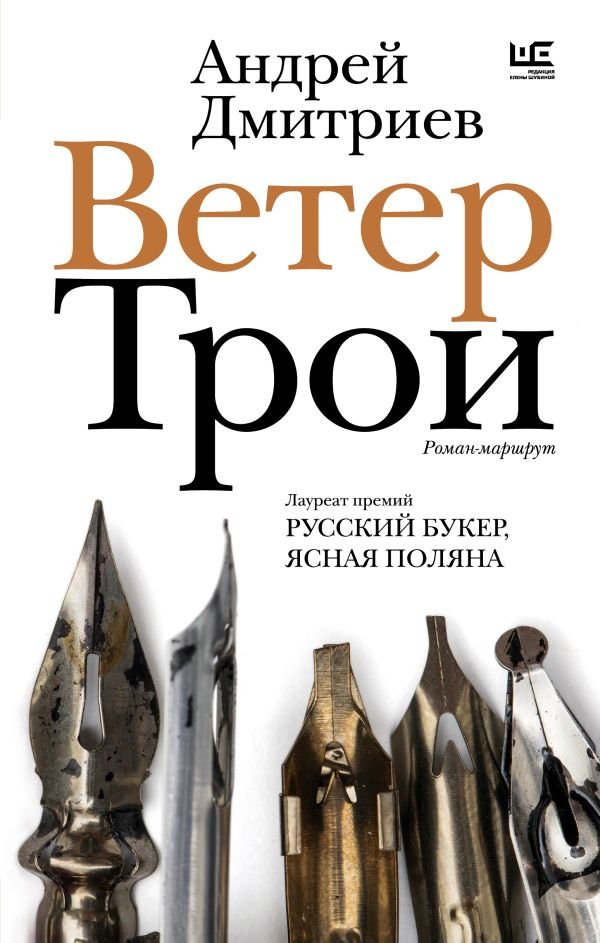
Андрей Дмитриев — прозаик, сценарист; автор книг «Этот берег», «Закрытая книга», «Поворот реки», «Дорога обратно», «Крестьянин и тинейджер». Лауреат премий «Русский Букер», «Ясная Поляна», финалист «Большой книги». Роман «Ветер Трои» — об ускользающем счастье и любви, которая может быть целью, но ничего не решает; это история человека с медной сединой, редким обаянием и умом. От имени его друзей...
Тринадцать современных писательниц и писателей, пишущих на русском языке, создали тринадцать рассказов об укладах в своих культурах: разные, они тем не менее базируются на одних и тех же явлениях и процессах. Взросление (например, через компьютерную игру, как в истории Даши Благовой), выбор профессии (стать пастухом или влогером, как в тексте Ислама Ханипаева), свадьба (между людьми разных традиций,...
Издательство:
Альпина Паблишер
Дата выхода: июнь 2025
Книга Шамиля Идиатуллина начинается как молодежное кино: группа студентов приезжает в новогодние каникулы за город. Они были давно знакомы в интернете, и вот наконец появился повод провести время весело и с пользой, устроив не только шашлыки на свежем воздухе, но и сражение в новой видеоигре. После череды повторяющихся событий, неизменно заканчивающихся гибелью — не виртуальной, а вполне физической, —...
Оставить комментарий