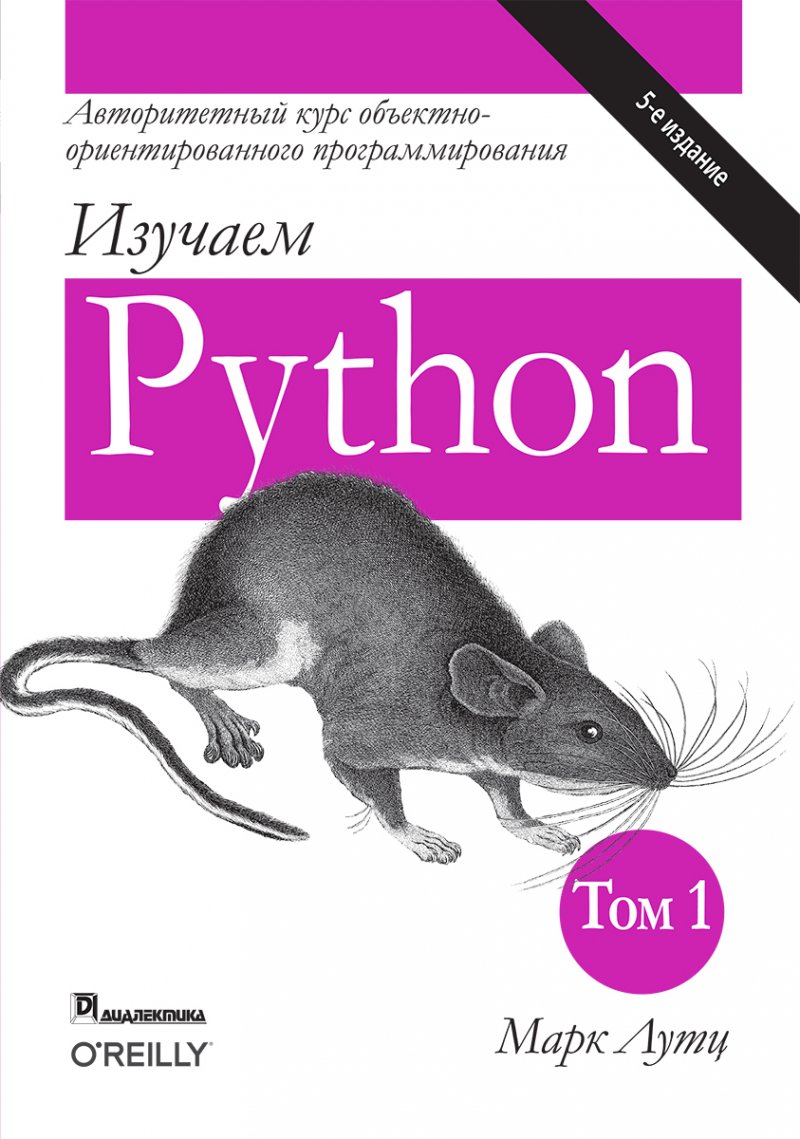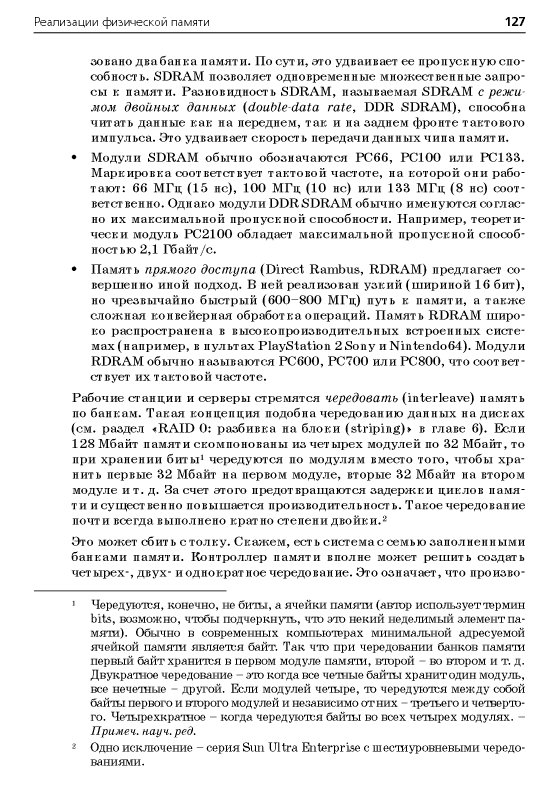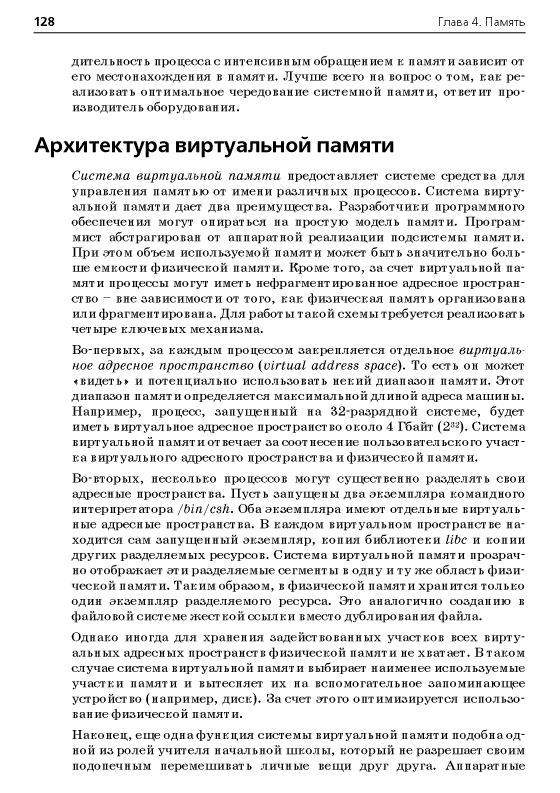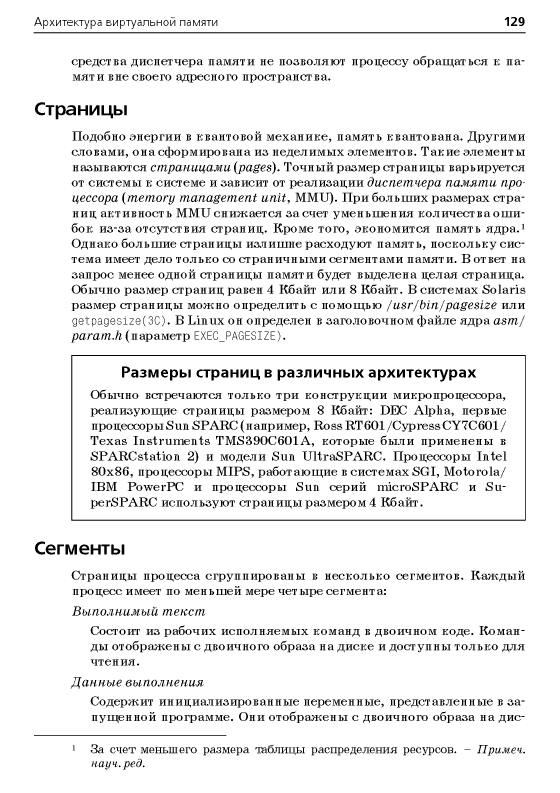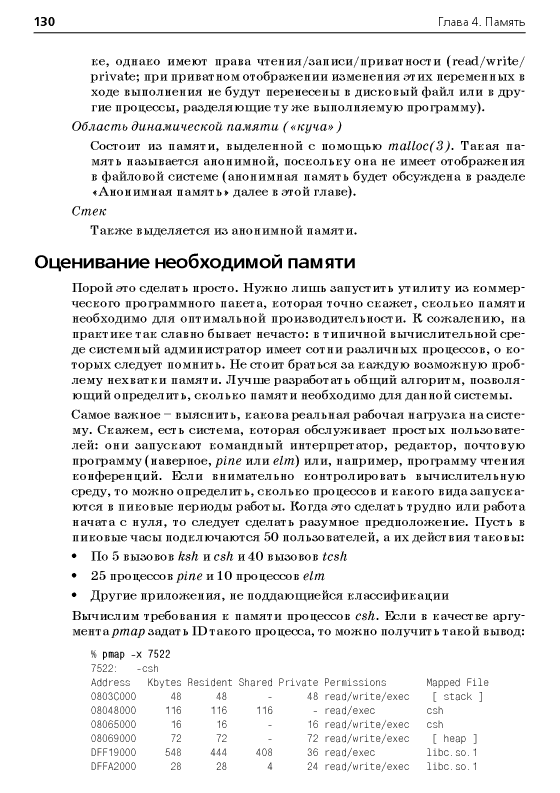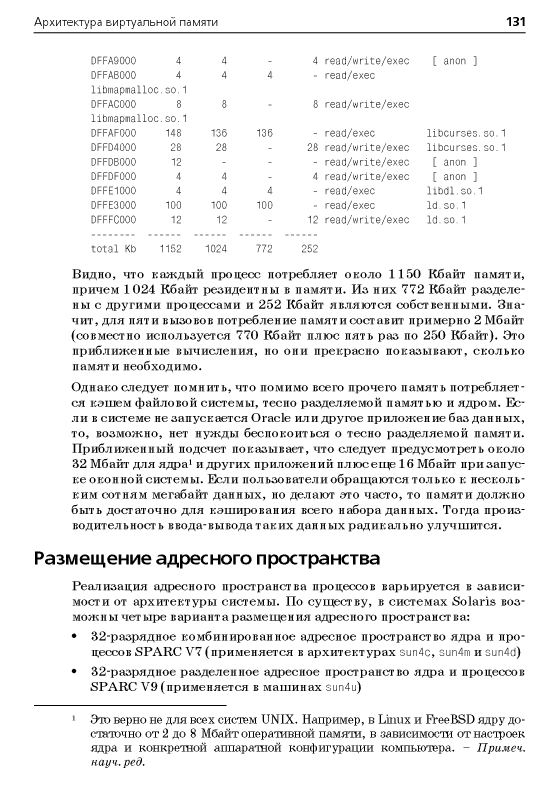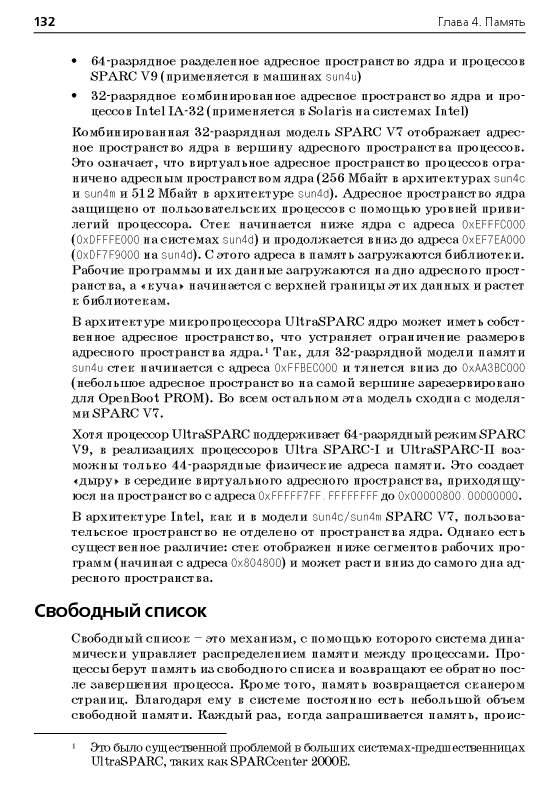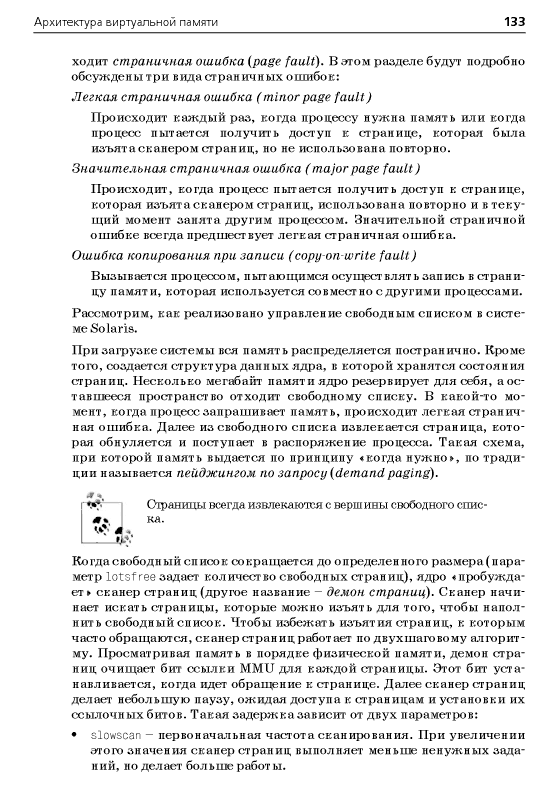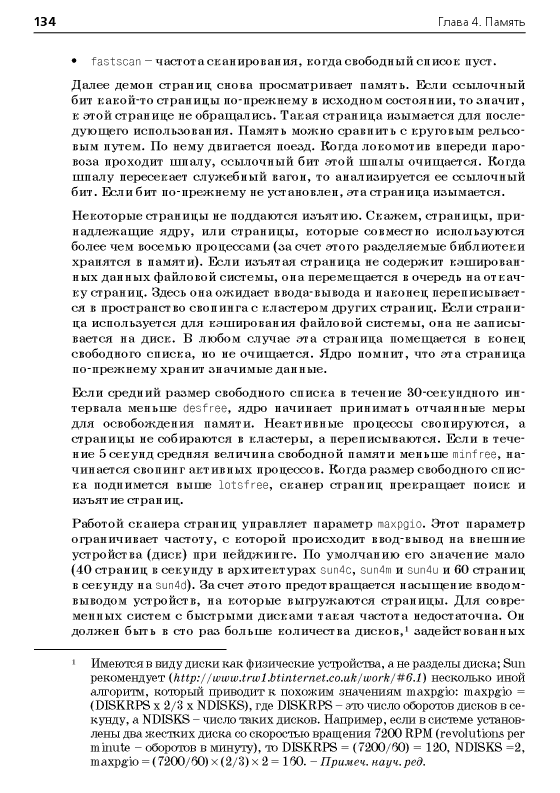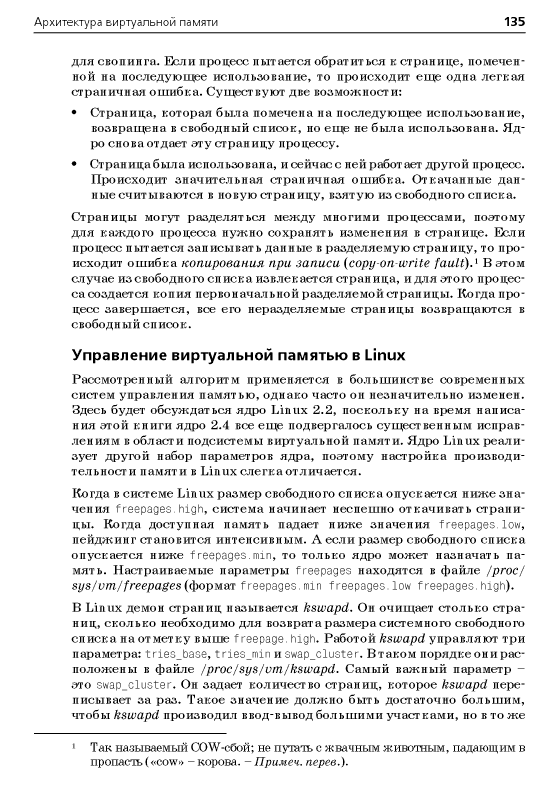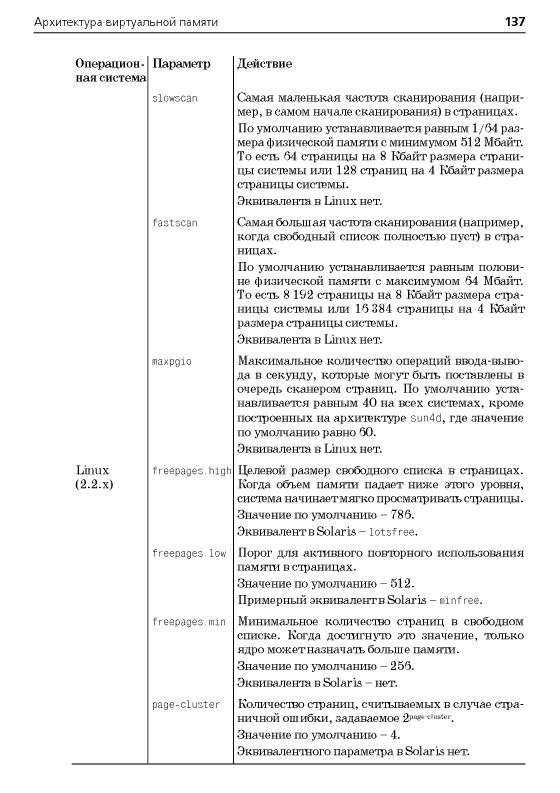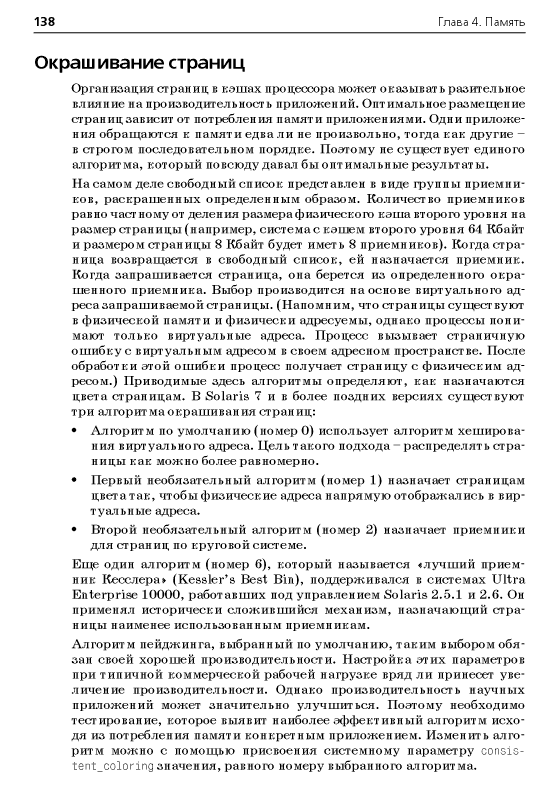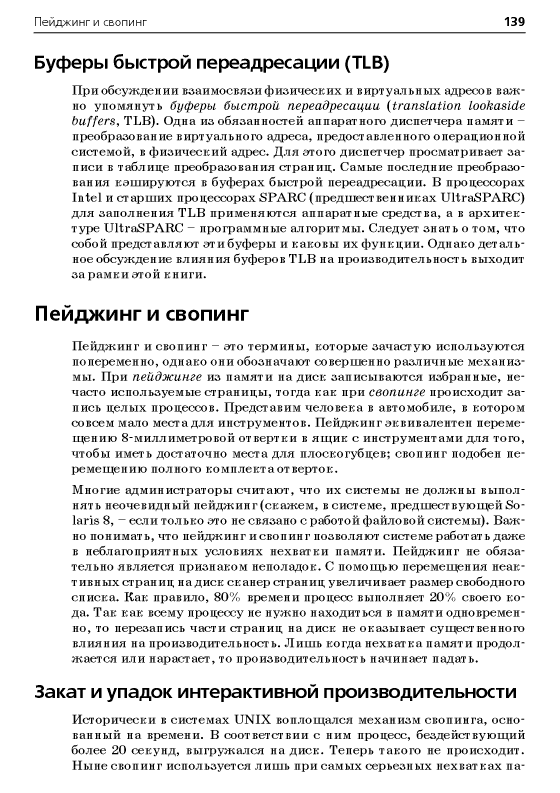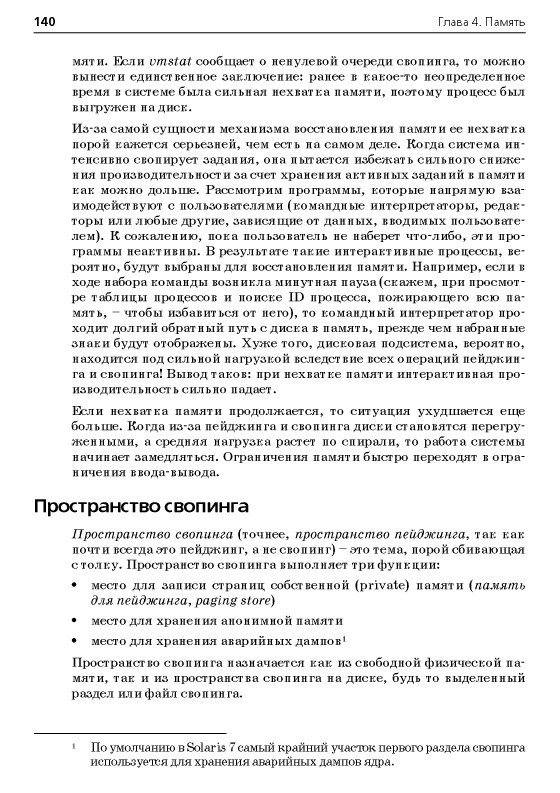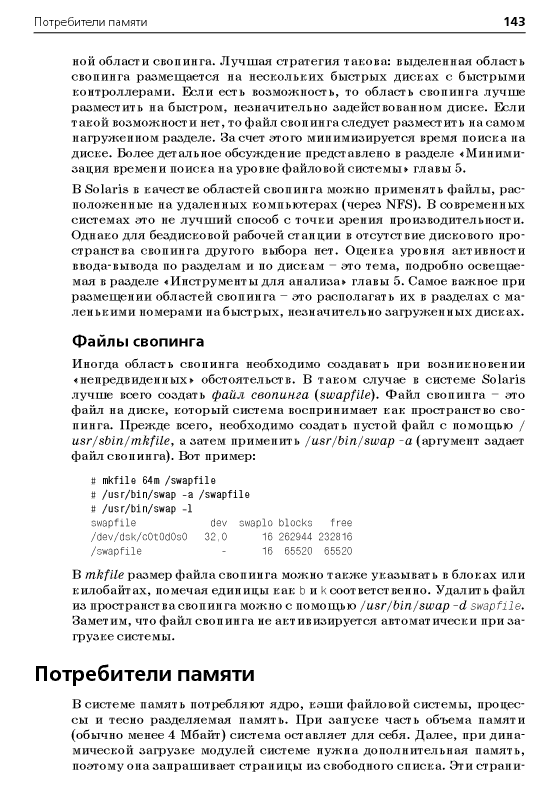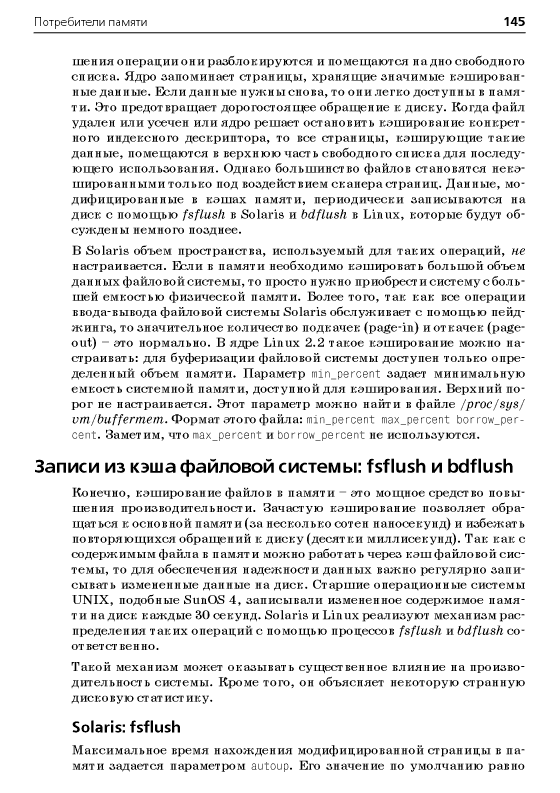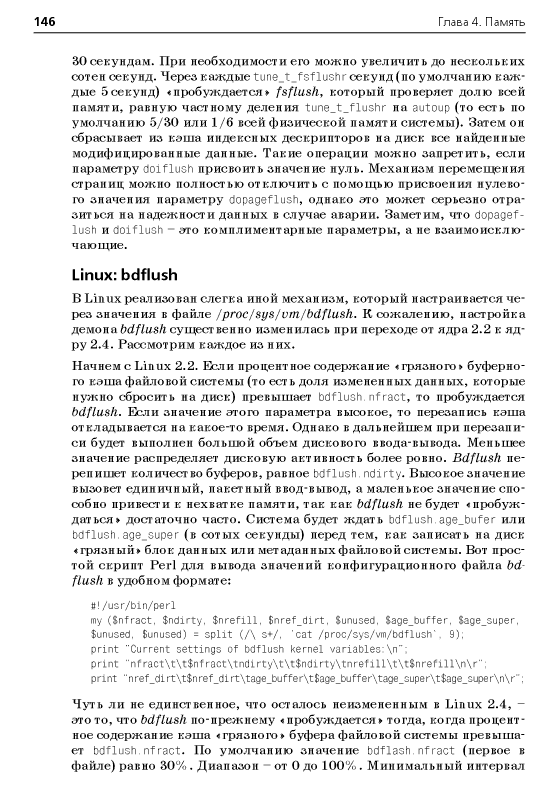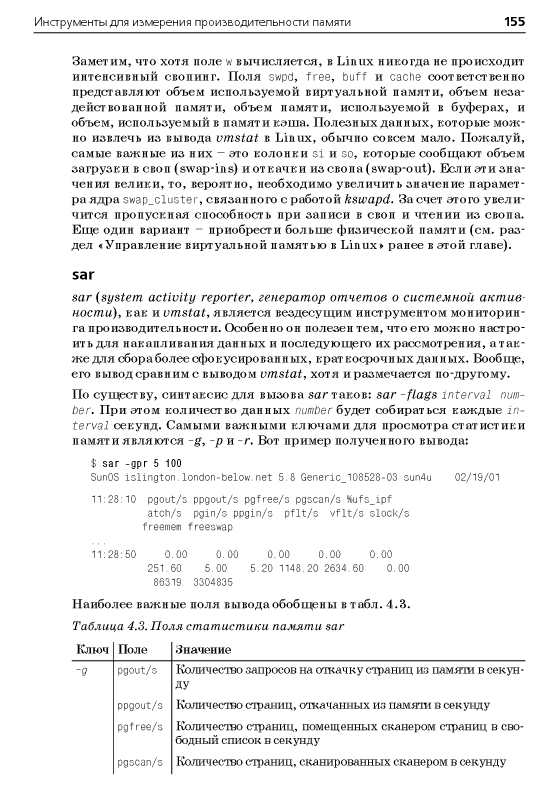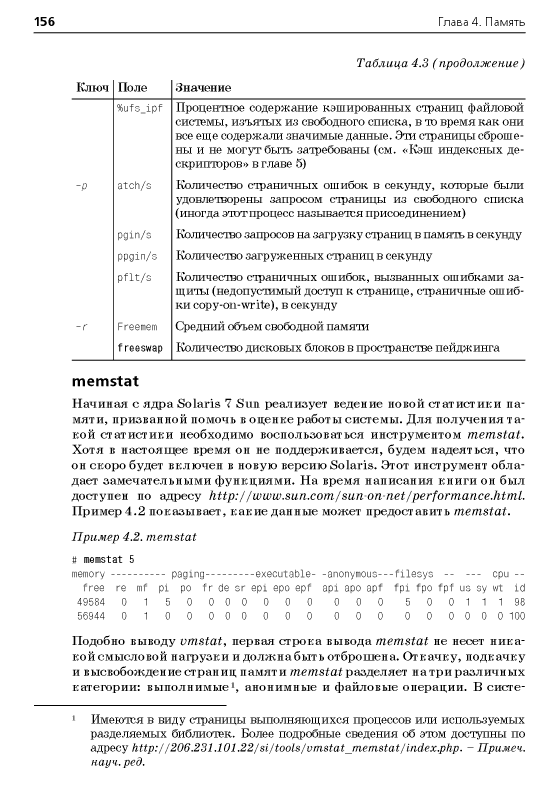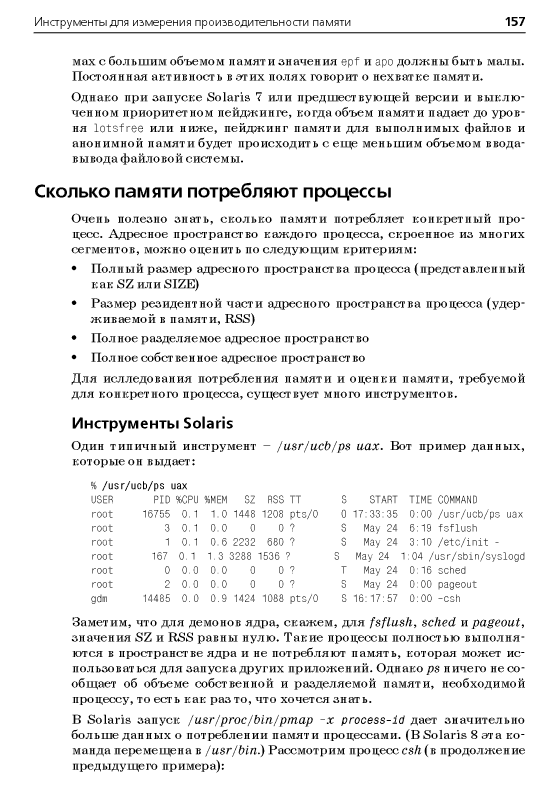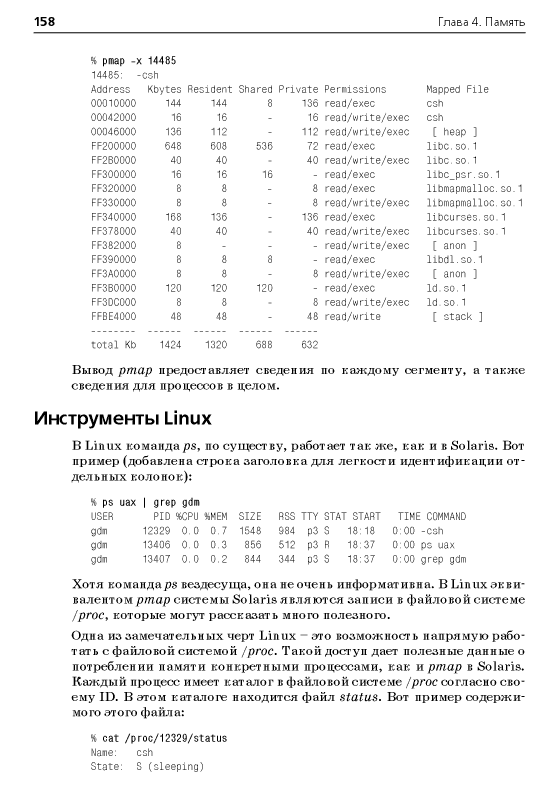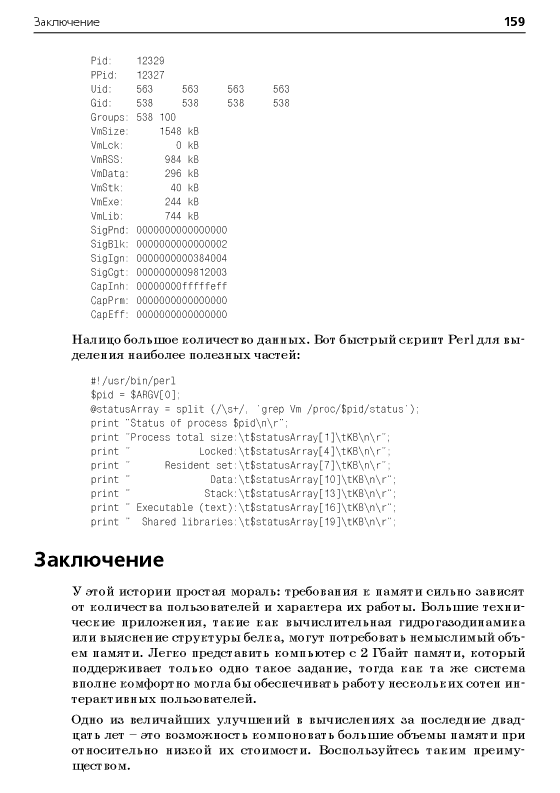

С 2002 года книга «Настройка производительности UNIX-систем, 2-е издание» переиздавалась 3 раза.
Дата первого издания «System Performance Tuning. 2nd edition»: май 2002 года, последнее, 3-е издание вышло
в декабре 2009 года.
Сейчас книгу можно купить в 1 издании на бумаге.
Аннотация к книге "Настройка производительности UNIX-систем, 2-е издание"
Книга "Настройка производительности UNIX-систем" отвечает на два важнейших вопроса администраторов компьютерных систем:
- как добиться максимального эффекта без покупки дополнительного оборудования;
- в каких случаях его все же стоит приобрести (больше памяти, более быстрые диски, процессоры и сетевые интерфейсы).
Вложение денежных средств - не панацея. Адекватно оценить необходимость обновления и добиться максимальной производительности можно только хорошо представляя работу компьютеров и сетей и понимая распределение нагрузки на системные ресурсы.
Авторы книги оказали неоценимую помощь администраторам, подробно и аргументированно рассказав обо всех тонкостях искусства настройки систем.
Полностью обновленное 2-е издание ориентировано на Solaris и Linux, но обсуждаемые принципы применимы к любым системам. Более подробно рассмотрены подсистемы ввода-вывода и сетевые средства, добавлен новый материал о дисковых массивах, микропроцессорах и оптимизации программного кода.
В книге обсуждаются следующие темы:
Определение параметров и управление рабочим процессом
Методы измерения производительности
Архитектура и производительность процессора
Оптимизация использования памяти
Оптимизация работы дисков и дисковых массивов
Выявление перегруженных или неработоспособных участков сети
Оптимизация программного кода
Мнения читателей
- Книга сберегла мое время. Она рассказывает о конфигурировании системных ресурсов. И что самое важное - книга объясняет, почему нужно поступать так, а не иначе. Авторы считают свой труд отправной точкой для читателей, задумавшихся о настройке производительности. Путем экспериментирования вы определите конфигурацию, которая будет оптимальной для вашей рабочей нагрузки. Отличная книга. Большое спасибо авторам.
- Еще одна замечательная книга от O'Reilly. Безусловно, ее можно было назвать "Осмысление системы для ее настройки", поскольку книга не просто предоставляет готовые решения, но и глубоко раскрывает особенности работы системы. Большинство концепций рассмотрены на примере Solaris/Sparc, однако описанные принципы применимы и на других платформах.
System Performance Tuning answers one of the most fundamental questions you can ask about your computer: How can I get it to do more work without buying more hardware? In the current economic downturn, performance tuning takes on a new importance. It allows system administrators to make the best use of existing systems and minimize the purchase of new equipment. Well-tuned systems save money and time that would otherwise be wasted dealing with slowdowns and errors. Performance tuning always involves compromises; unless system administrators know what the compromises are, they can't make intelligent decisions.
Tuning is an essential skill for system administrators who face the problem of adapting the speed of a computer system to the speed requirements imposed by the real world. It requires a detailed understanding of the inner workings of the computer and its architecture. System Performance Tuning covers two distinct areas: performance tuning, or the art of increasing performance for a specific application, and capacity planning, or deciding what hardware best fulfills a given role. Underpinning both subjects is the science of computer architecture. This book focuses on the operating system, the underlying hardware, and their interactions.
Topics covered include:
Real and perceived performance problems, introducing capacity planning and performance monitoring (highlighting their strengths and weaknesses).
An integrated description of all the major tools at a system administrator's disposal for tracking down system performance problems.
Background on modern memory handling techniques, including the memory-caching filesystem implementations in Solaris and AIX. Updated sections on memory conservation and computing memory requirements.
In depth discussion of disk interfaces, bandwidth capacity considerations, and RAID systems.
Comprehensive discussion of NFS and greatly expanded discussion of networking.
Workload management and code tuning.
Special topics such as tuning Web servers for various types of content delivery and developments in cross-machine parallel computing
The easy way to solve a performance problem--and the one to which hardware manufacturers love to call attention--is to apply more horsepower to the application in question. It's safe to bet that a server upgrade will speed things up. True information technology professionals, however, won't take the easy way out when dealing with an increased workload for older systems. They'll do their best to wring top performance (with required reliability) from existing hardware, thus improving their organizations' return on capital investment and demonstrating their own engineering skills. The second edition of System Performance Tuning offers advice on where to look for bottlenecks in applications--both local and networked--that run under Unix. It also offers advice on provisioning new systems, which is to say it offers advice on deciding how much computing power is enough for a new system to be implemented.
Emphasizing Solaris 8 and, to a lesser extent, Linux, the new version of this book represents a significant revision (the first came out in 1990 and was pretty badly obsolete). There's coverage of advances in hardware--multiple processors, RAID storage, faster and cheaper memory, and networked devices--as well as consideration of changes in the demands placed on machines (after all, few people were concerned about Web server performance in 1990). Administrators will get plenty of value from the authors' discussion of what goes on during, for example, a series of large store-to-disk operations, and be better able to optimize their systems. --David Wall
Topics covered: How to get top performance from computer systems (those running Linux and especially Sun Solaris 8) without adding processor capacity, memory, and other resources at potentially great expense. The authors explain the ways in which operating systems and applications use processors, memory, persistent storage, and networks, and point out potential bottlenecks. They also show how to use tools--such as execution timers--that you can use to benchmark performance changes.
В книге Мусумеси есть то, что Unix-админ может найти только у Мусумеси. Так что, даже с "великим монстром" Таненбаумом приводить аналогию... не совсем корректно, что ли, уважаемый Dever. Это разные книги. Разного уровня и специфики. Одна из них не в состоянии заменить другую.
Совершенно верно.
Это книга как сборник готовых рецептов и советов.
Но если вы знаете как функционирует ОС, знаете архитектуру и устройство компьютера и теорию языков программирования - эта книга не даст вам ничего нового.
Прочитайте лучше "Архитектуру компьютера" Таненбаума. Многое станет ясно.
Хороша для Солярис и мало что для Линукс (такое впечатление, что добавлено в маркетинговых целях:). А в общем неплохо. Хотя моих ожиданий не оправдала: я слепо доверился аннотации;)
При первом беглом взгляде - фантастическое количество досадных опечаток типа мегабит вместо мегабайт, Гейзенгерг (in english), 16 бит вместо 32 и т.д. - и это в книге такого рода на первых же страницах!
Это нечто
Неизвестный автор
kolunchik@gmail.com
River
clever
Samset
clever
dunklesbier@mail.ru
ygb
RED